











2025-11-18


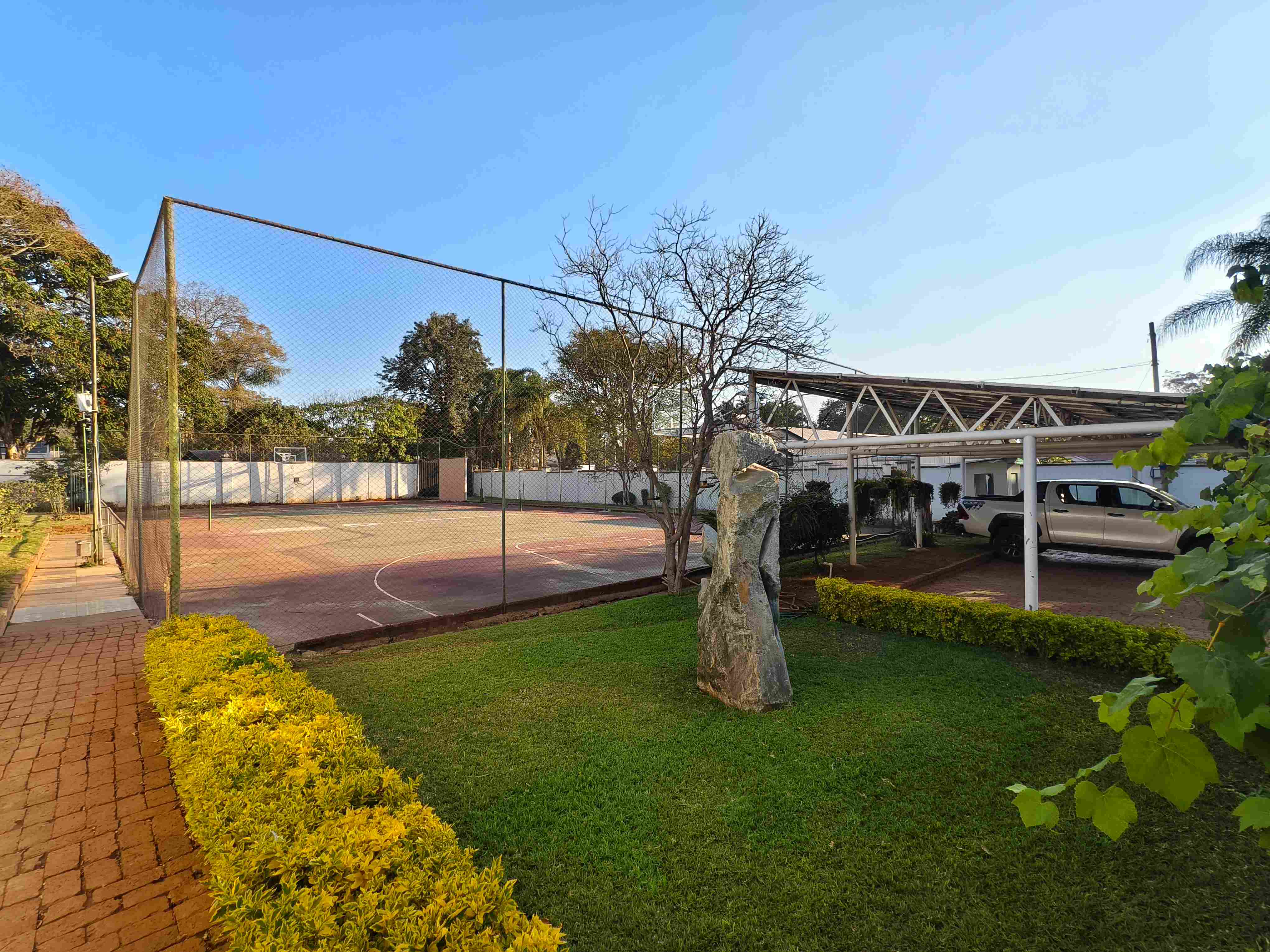
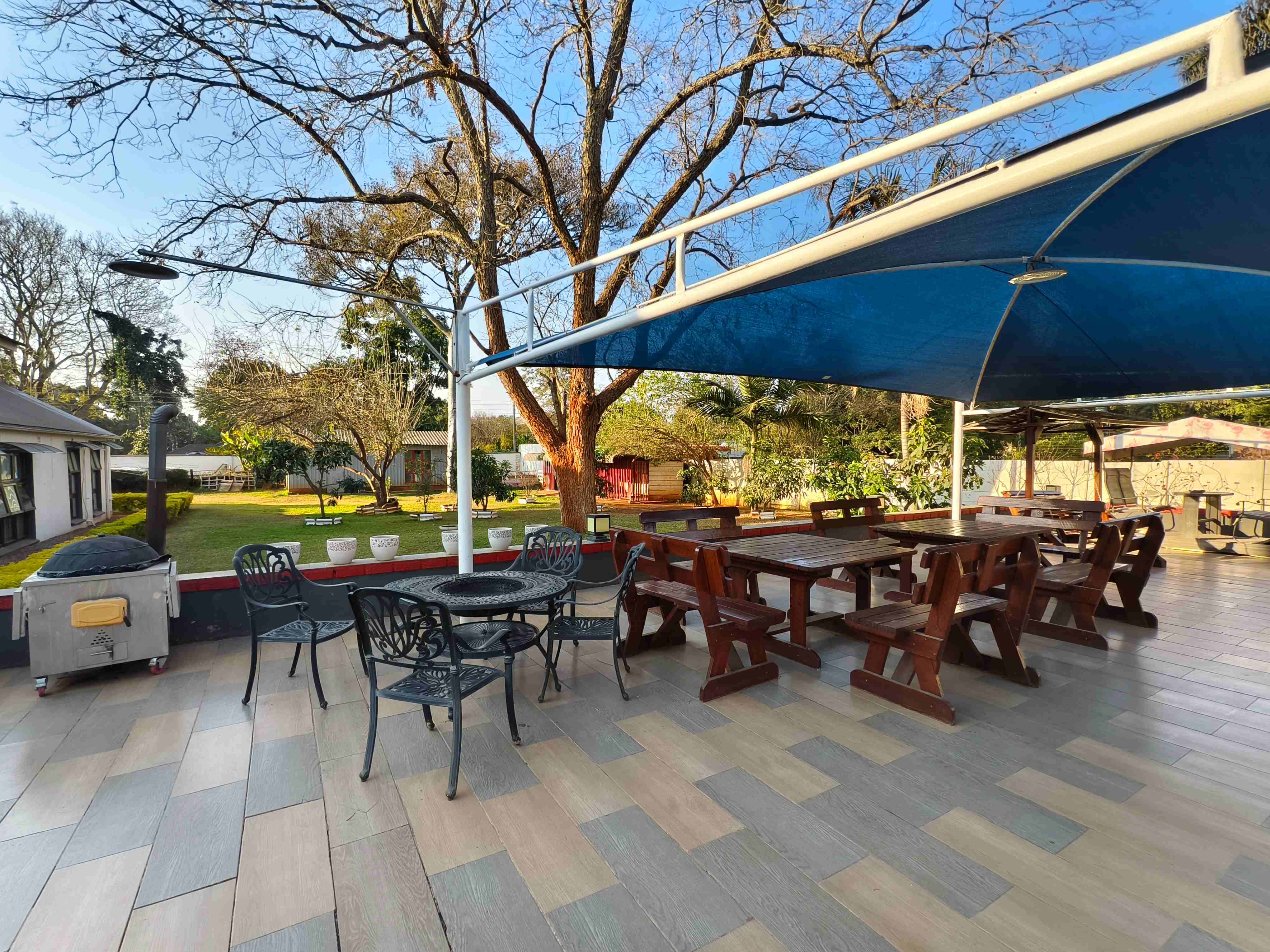
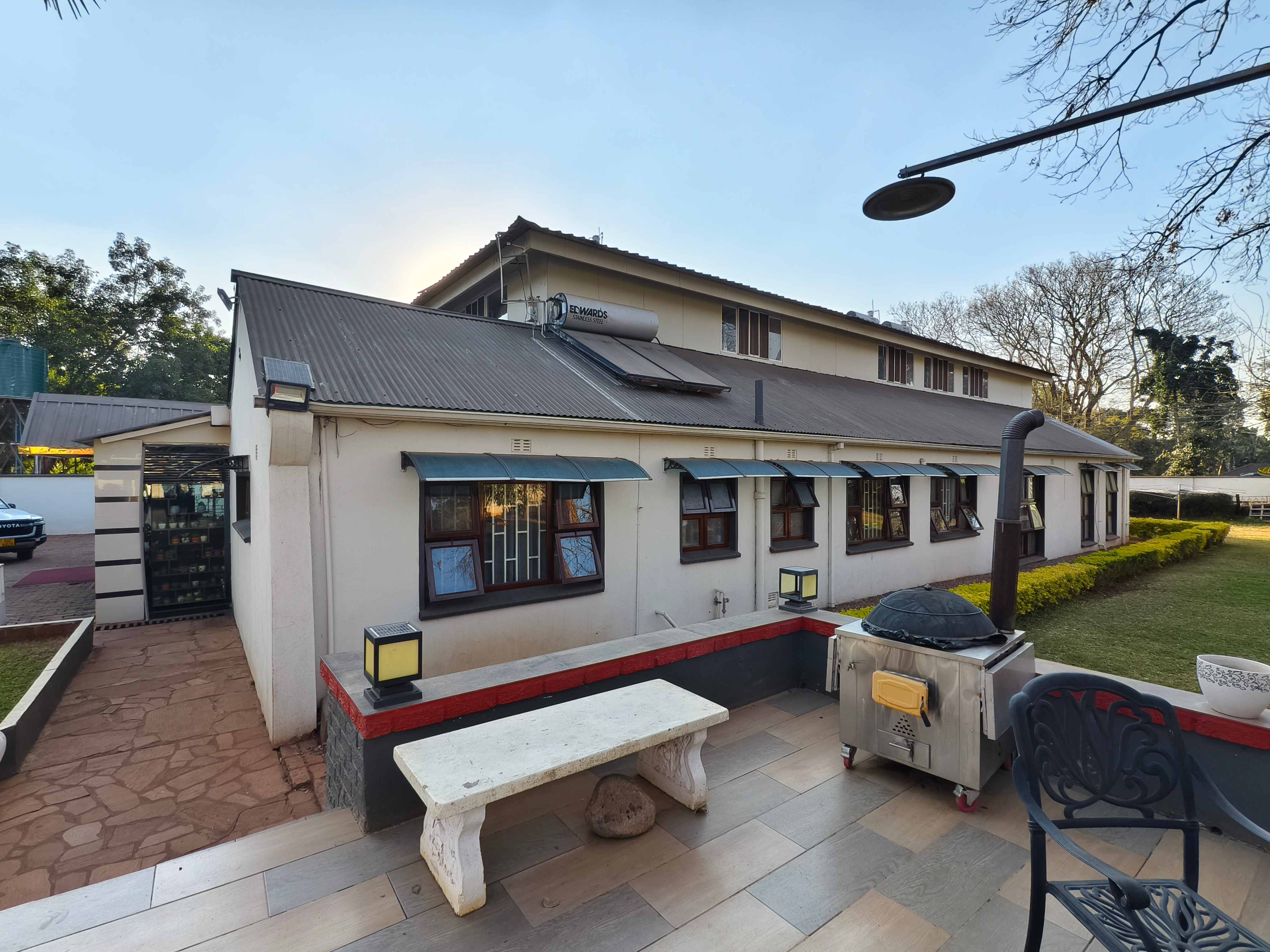
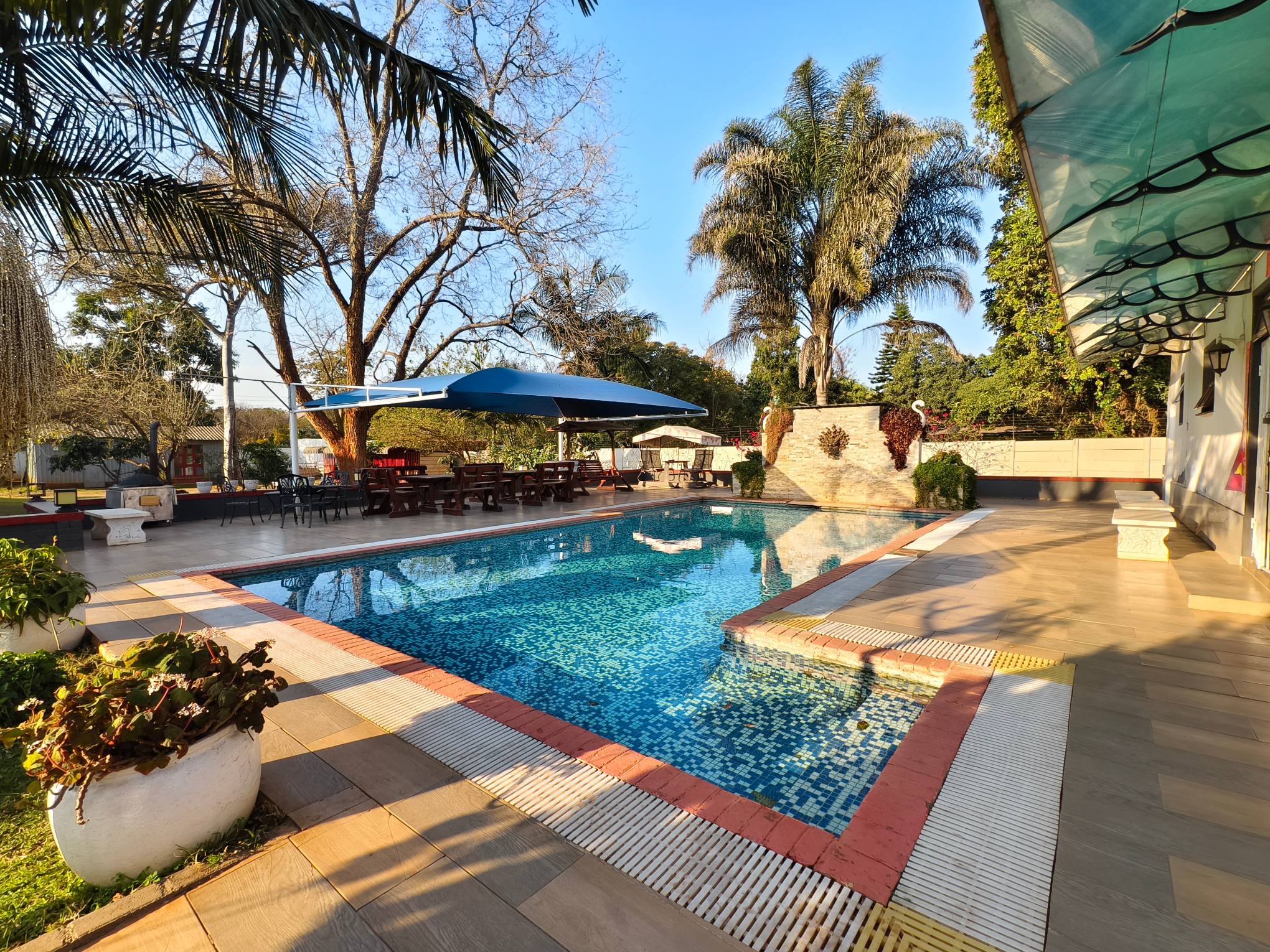
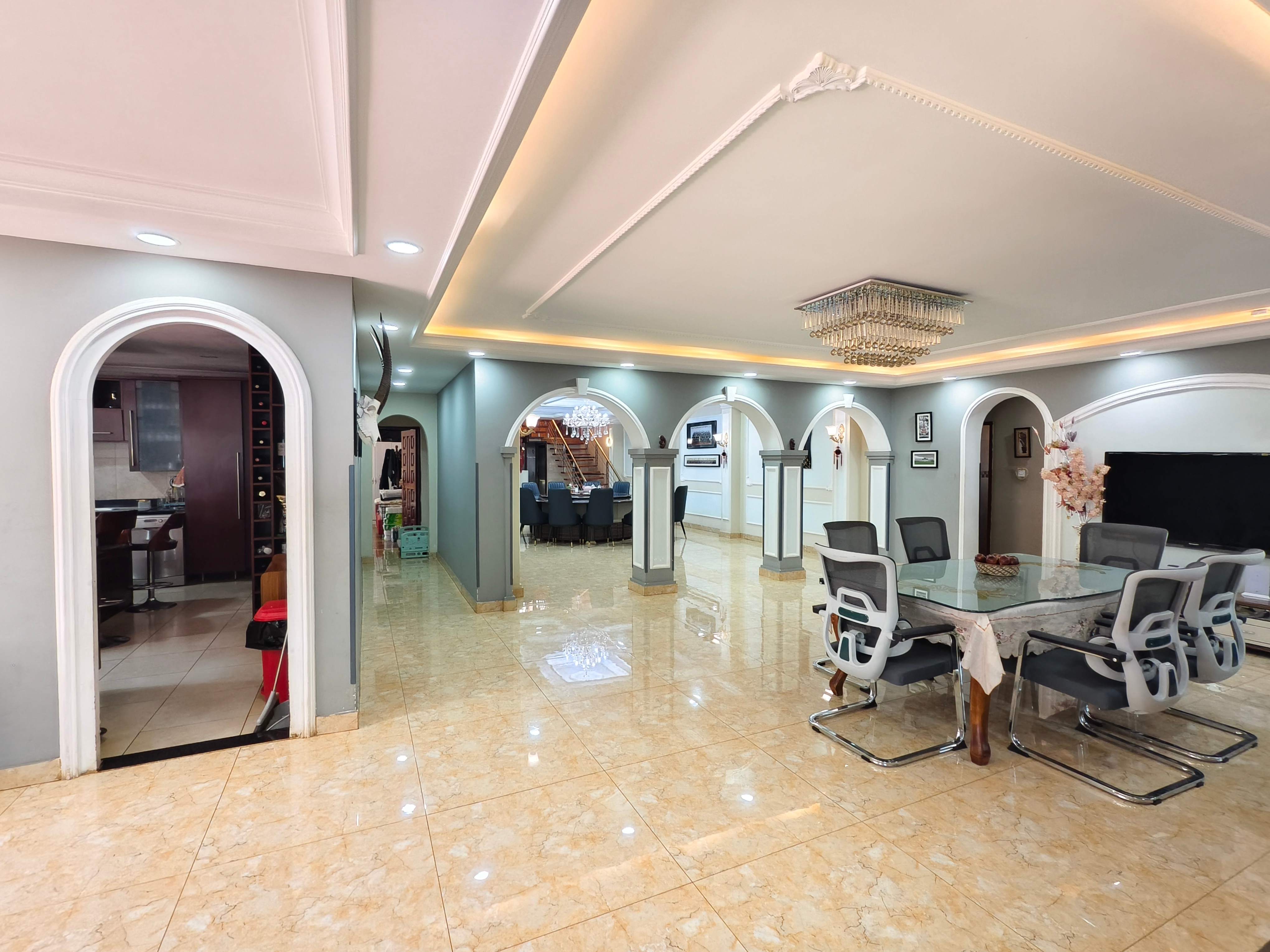
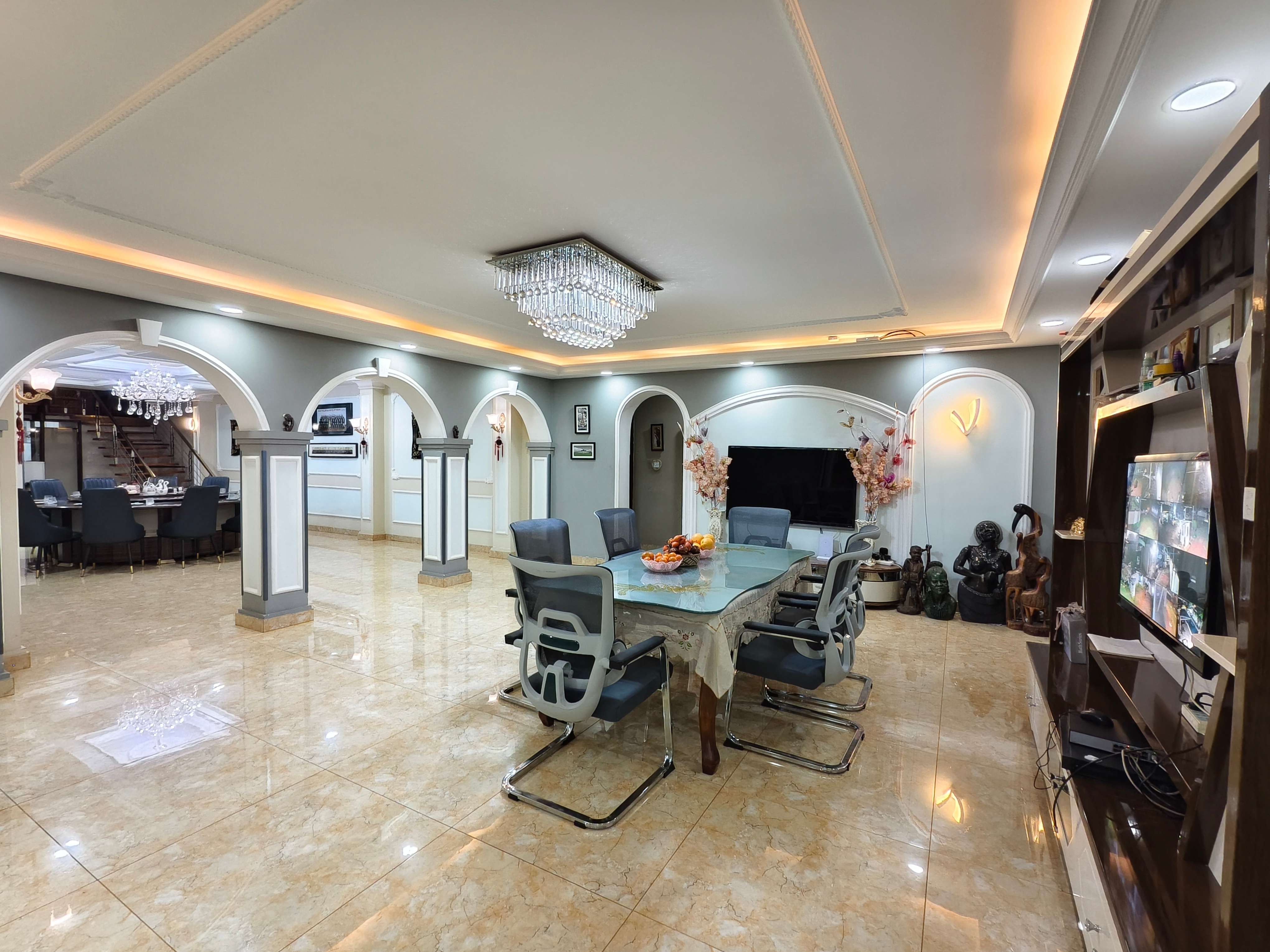
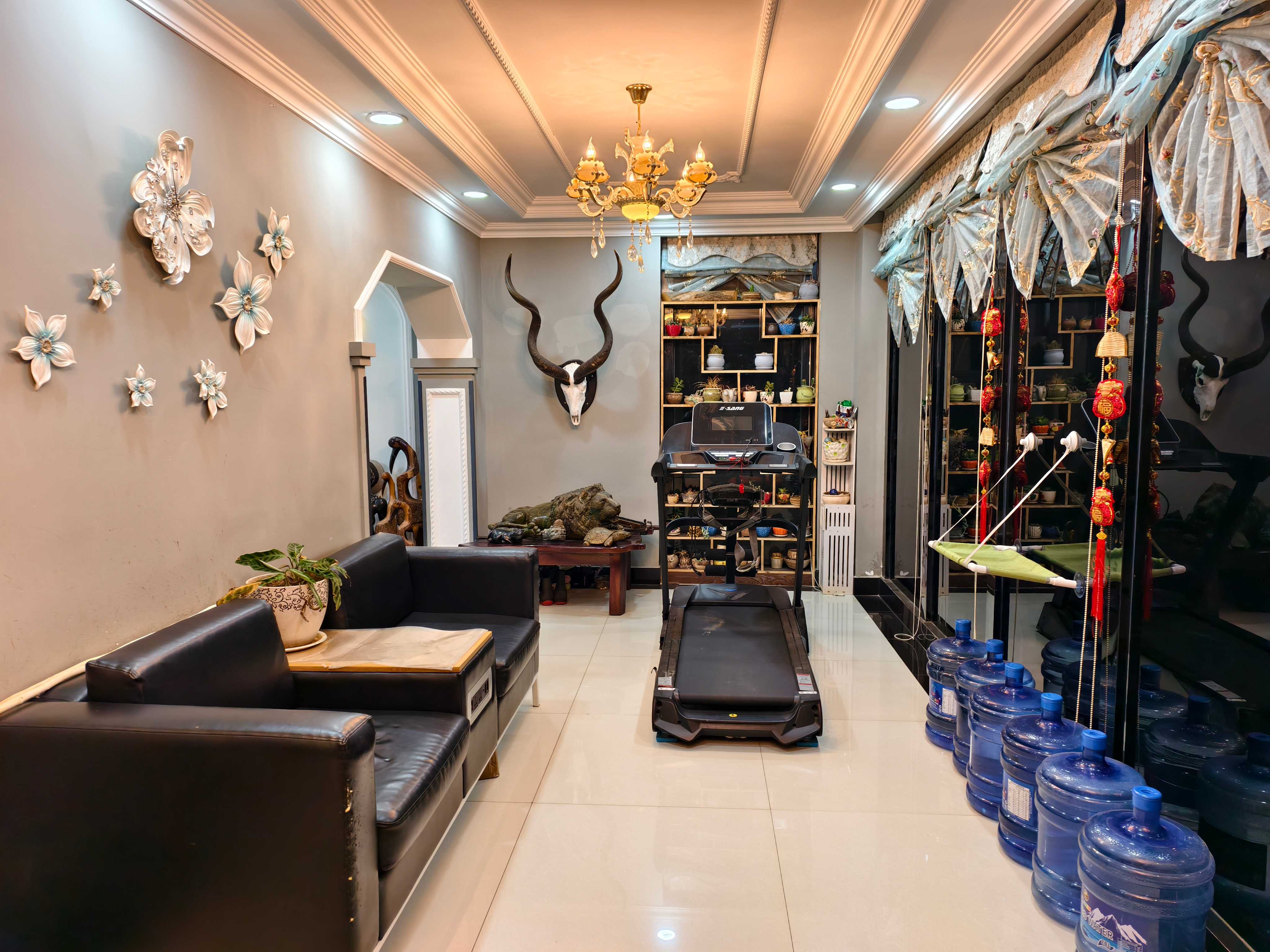
A 4,300-square-meter estate in Harare. 12 bedrooms, 7 bathrooms, 3 water heaters, 2 kitchens, a swimming pool, and a basketball court——how much electricity does this place use in a month? 4,000 kilowatt-hours. But the owner of this estate doesn't pay an electricity bill. Instead, he's making his money back in 2 years and pocketing 100,000USD in passive income——all from sunlight.
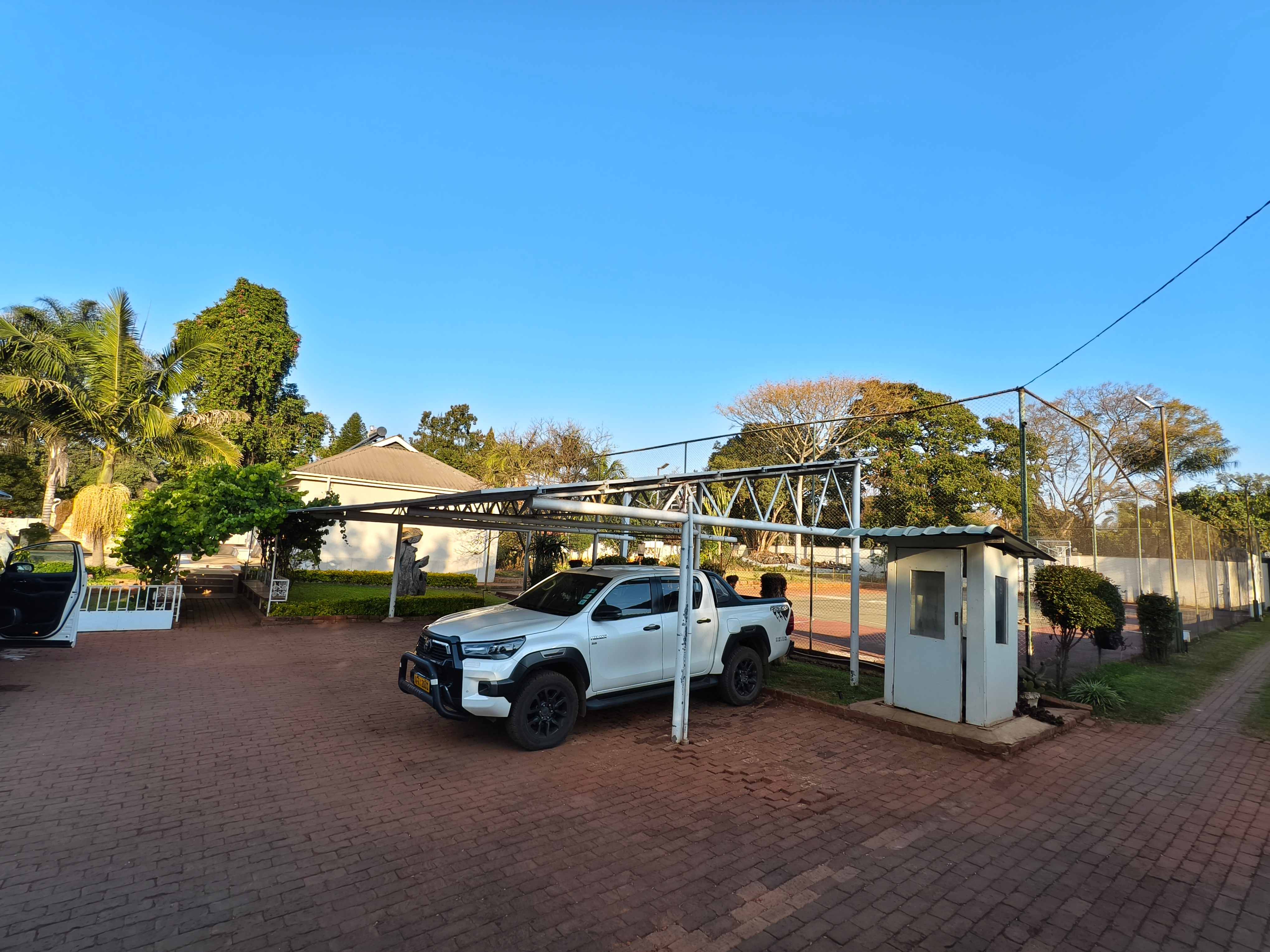
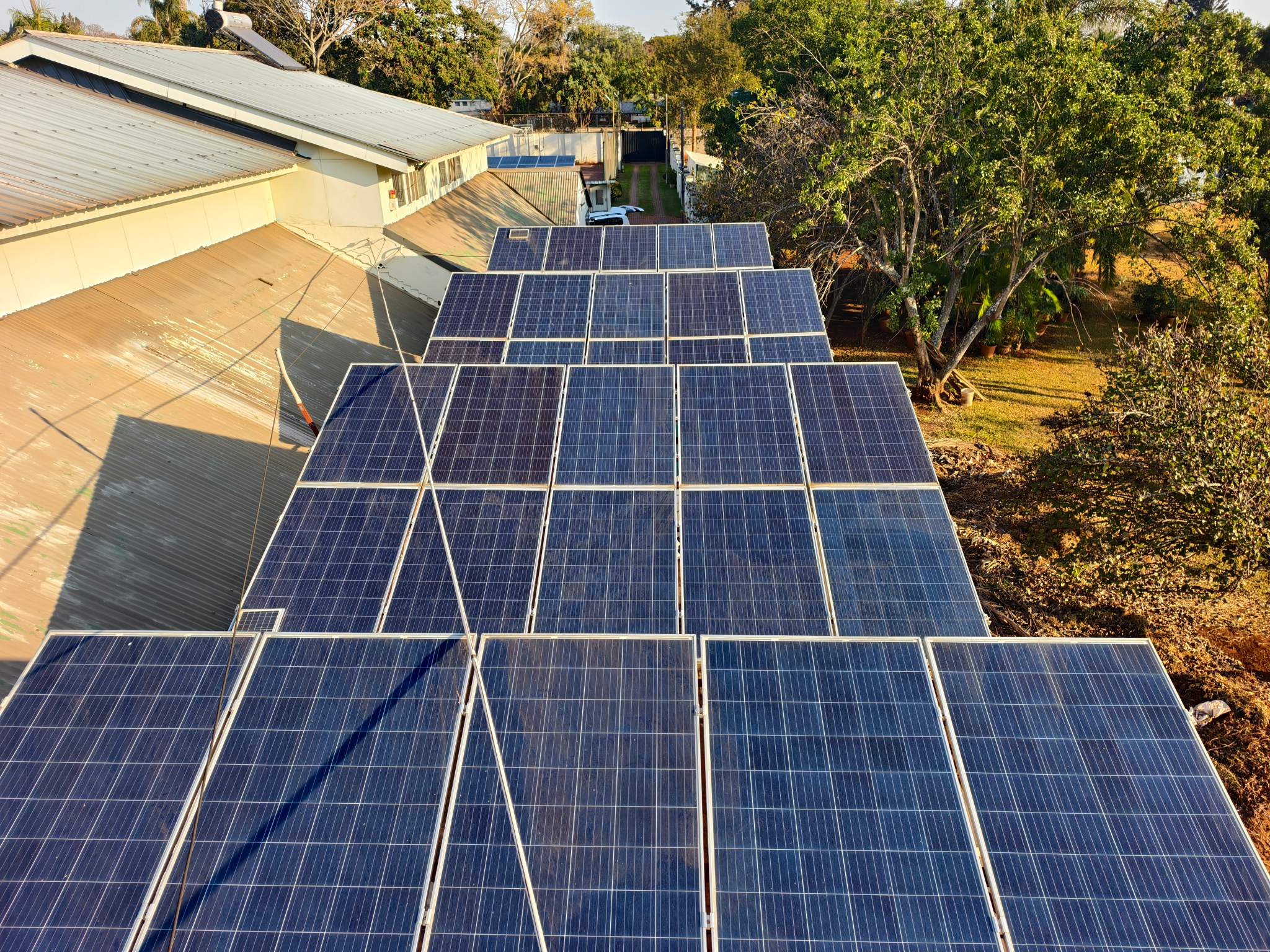
The answer is right here——80 solar panels, 275 watts each, turned into a carport. Cars park underneath. It generates power, provides shade, and covers the cars. Three uses in one. The real heart of the system is in here——the battery room.
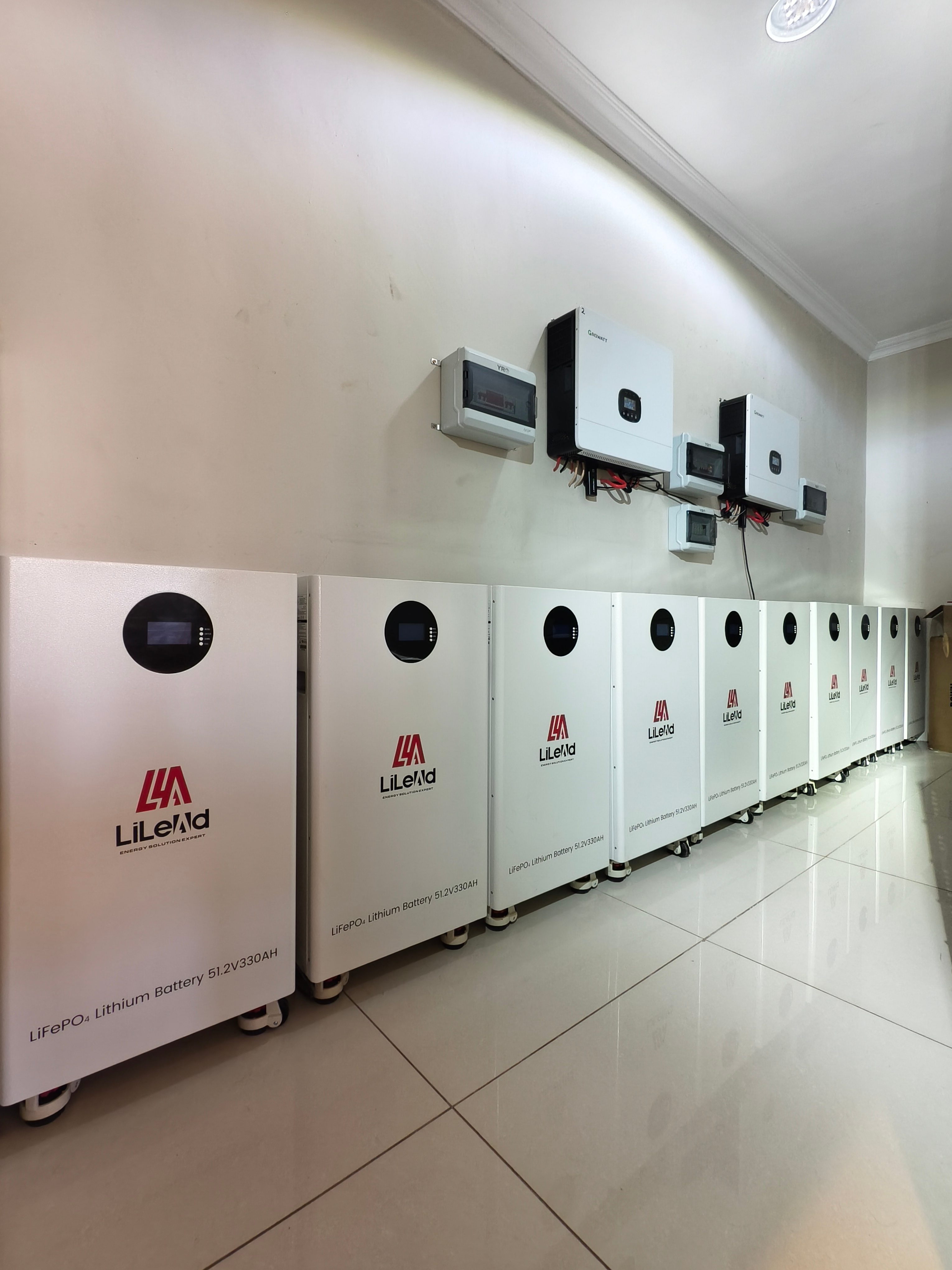
2pcs 12kW inverters and 10pcs LILEAD 17kWh storage batteries. That's 170 kilowatt-hours of storage capacity. The entire nerve center of this estate's power system is right inside this room.
These LILEAD batteries have a really smart feature——they support parallel connection between batteries of different capacities. That means you can mix new and old batteries together. What does that mean for you? You buy a few today, and a couple months later if you want to expand, you just plug in more.
Plug and play. No need to replace the old ones, no need to reconfigure the whole system. Reliable, flexible, and expandable——that's the kind of storage solution that can go the distance with you for ten years.
Three double-door refrigerators. Four freezers. Two washing machines. Two electric water heaters. A pool filter pump. A borehole pump. A pressure pump. And range hoods in three kitchens. All of these appliances run on electricity every single day.
Harare cools down at night, and the house has great ventilation, so there's no need for air conditioning. But even without AC——this place uses 130 kilowatt-hours a day, sometimes up to 170. During the day, the solar panels generate. At night, the batteries take over. No blackouts. No interruptions.
But what if you were building this from scratch? 33kW of solar panels for 7,500USD, 3 inverters for 3,450USD, and batteries for 18,000USD——that's 28,950USD total.
At 12,000USD saved per year, you're looking at under 2.5 years to pay back. Over 10 years, that's 91,000 in passive income. But that's not counting the diesel generator costs.
Harare has frequent power outages. If you relied on a diesel generator for 30% of your power——that's 39KWH a day. Each KWH burns 0.27 liters of diesel. At 1.90USD per liter, that's 0.51USD just in fuel per KWH. That adds up to 7,300USD a year in fuel alone——and that's before maintenance and depreciation.
With this solar-plus-storage system, the diesel generator never even needs to start. 12,000USD saved on electricity plus 7,300USD saved on diesel equals 19,300USD in annual savings. 28,950USD total investment divided by 19,300 per year equals about 1.50 years to payback. Over 10 years, that's 164,000USD in passive income.
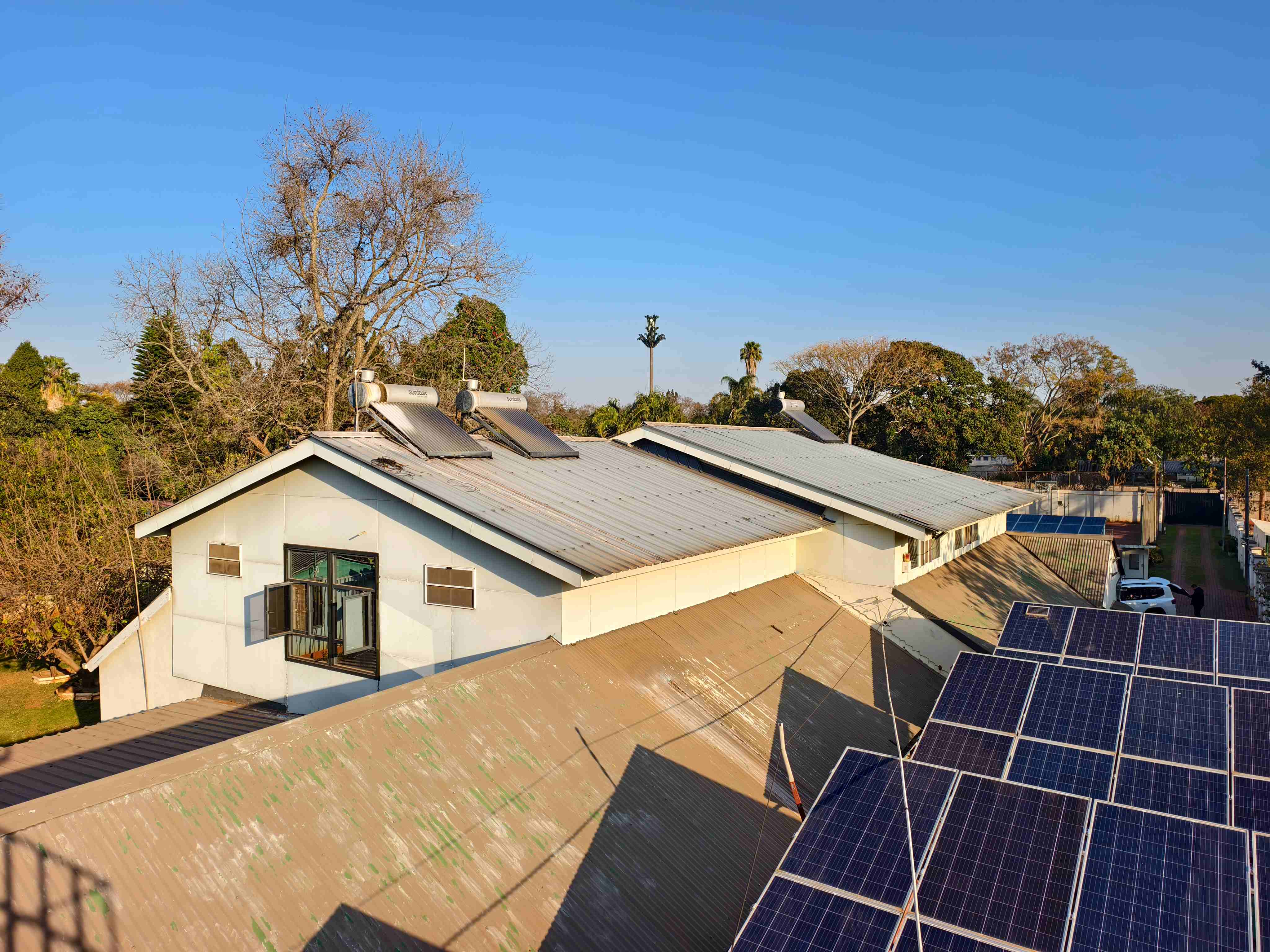
It's not about having money to burn——it's about knowing where your money works best. Installing this system is like building your own private power plant. The sun fuels it during the day. The batteries run it at night. No diesel. No electric bills. No dependence on anyone.