














2025-11-18


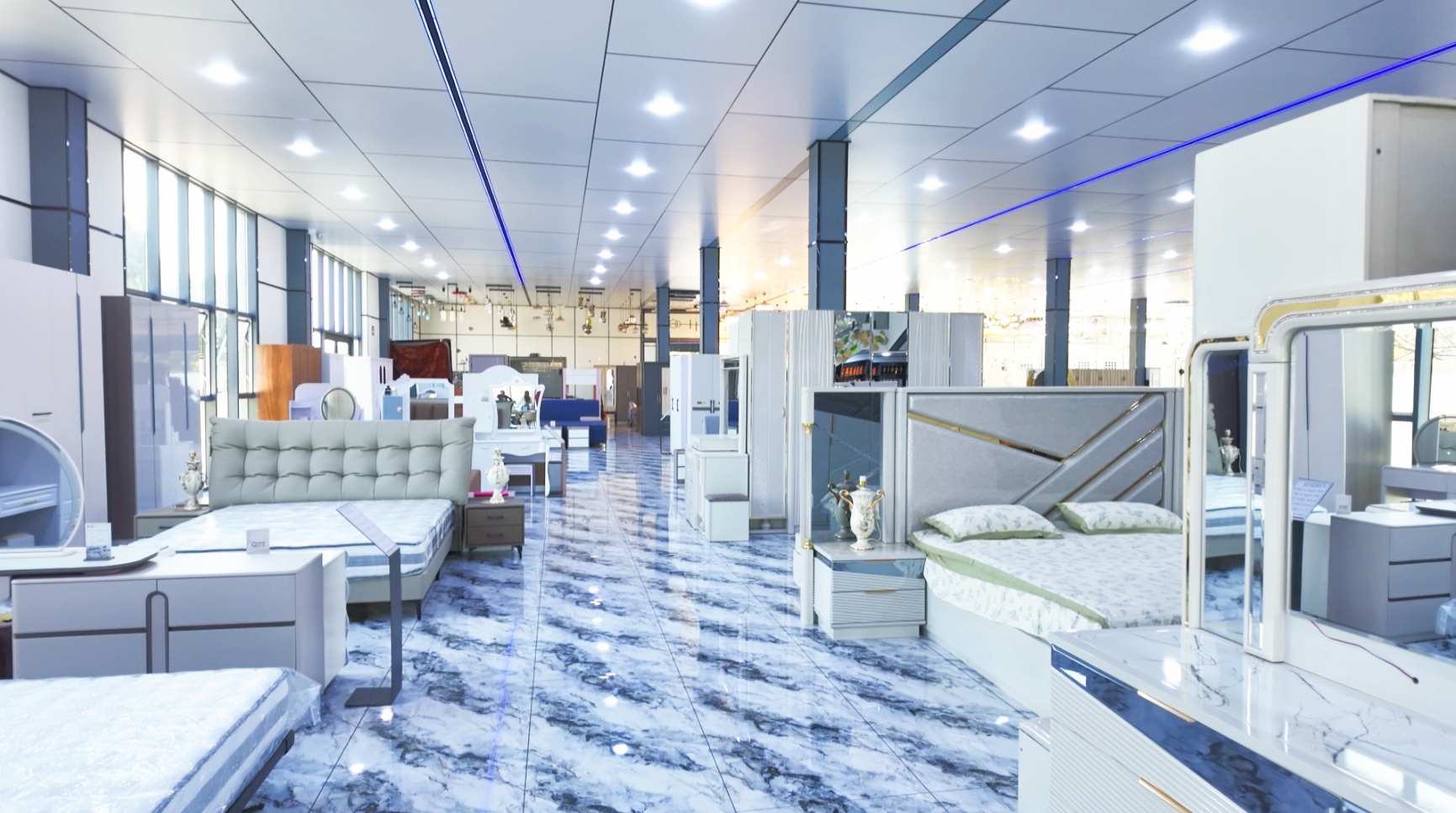
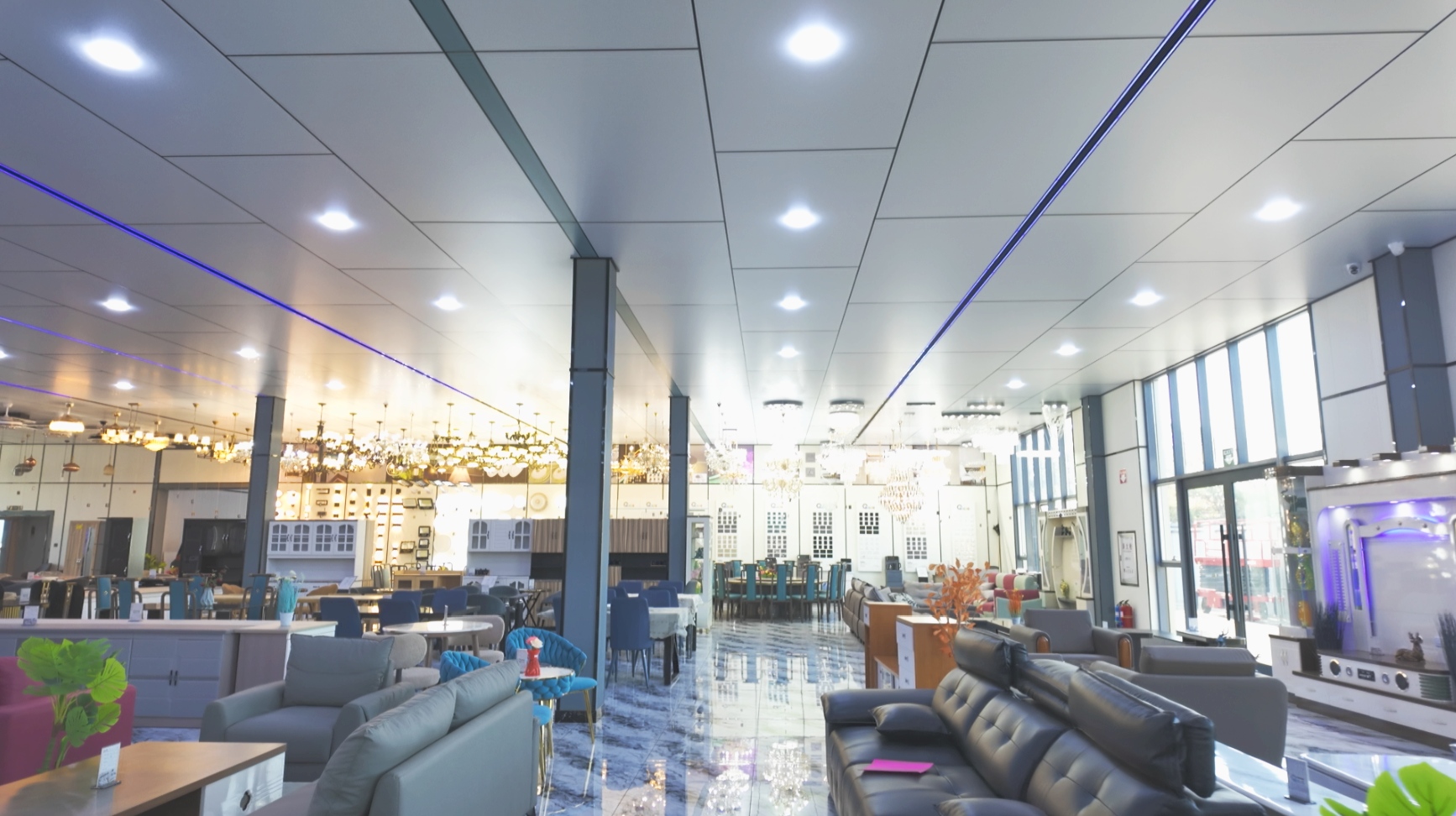
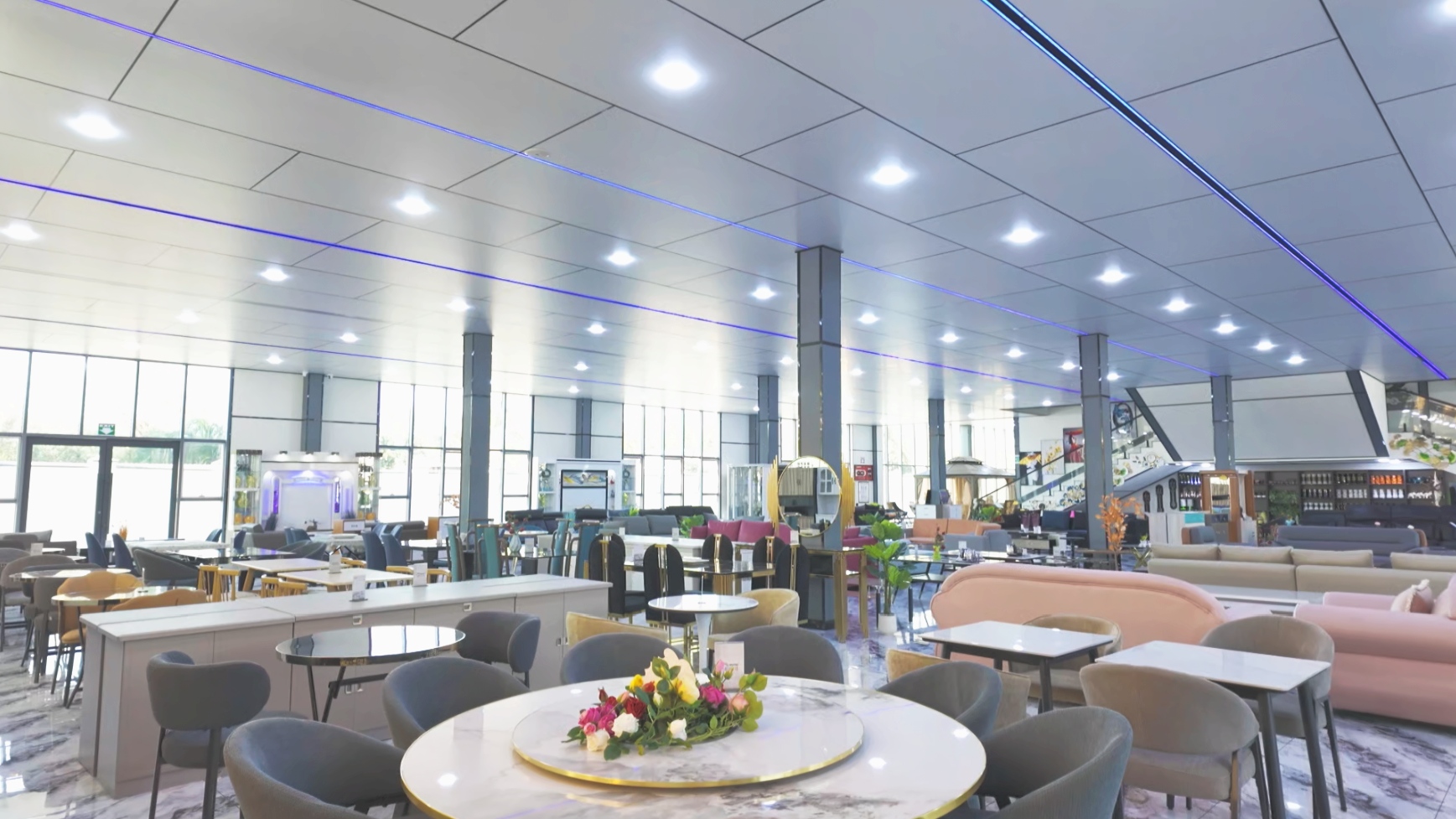
CHUCKERS, a high-end furniture showroom in Zimbabwe that runs entirely on green energy, located in Newlands, Harare‘s upscale residential area. It’s one of the largest and most premium furniture showrooms in the country, offering a one-stop shopping experience for discerning consumers.

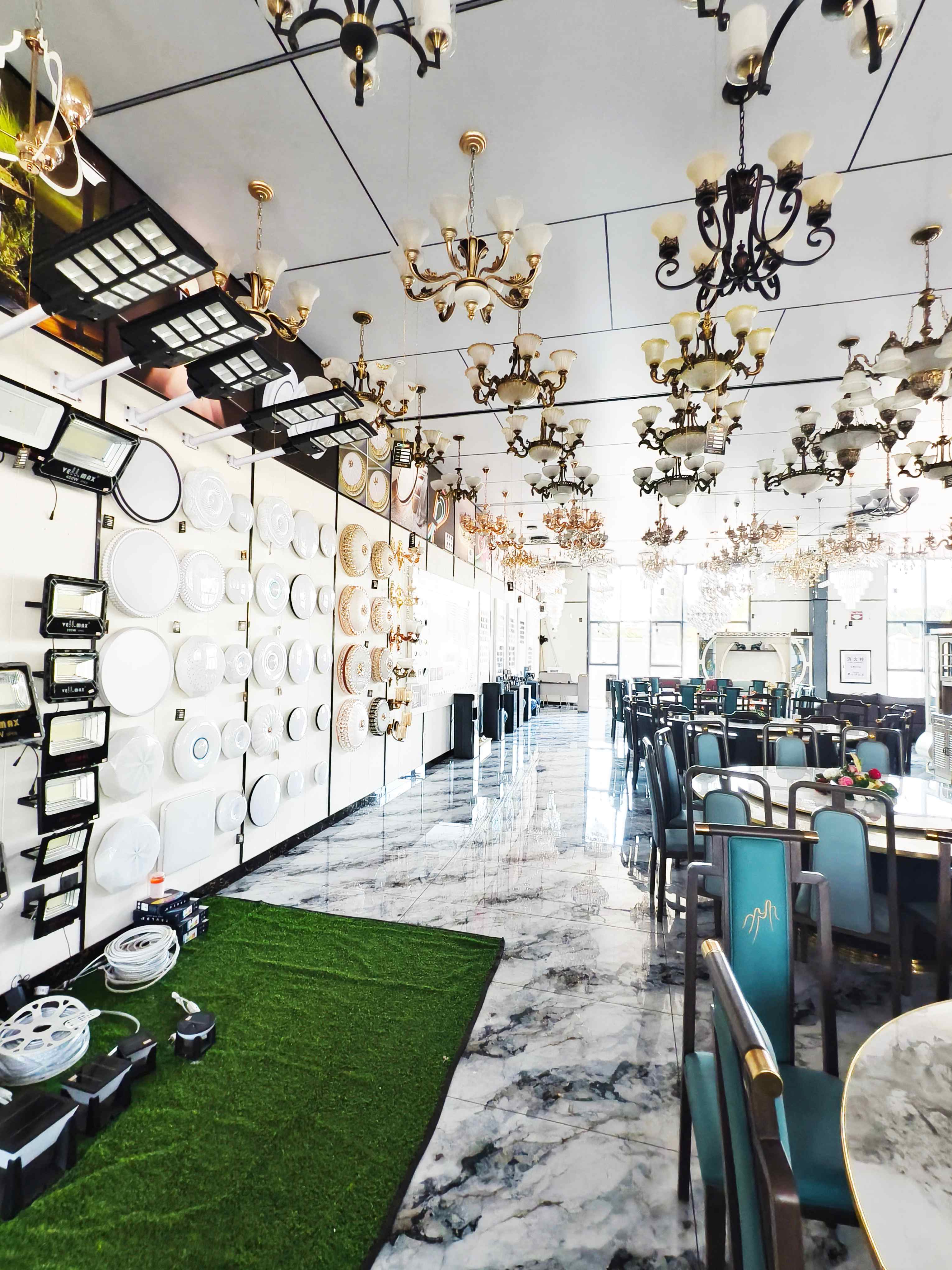
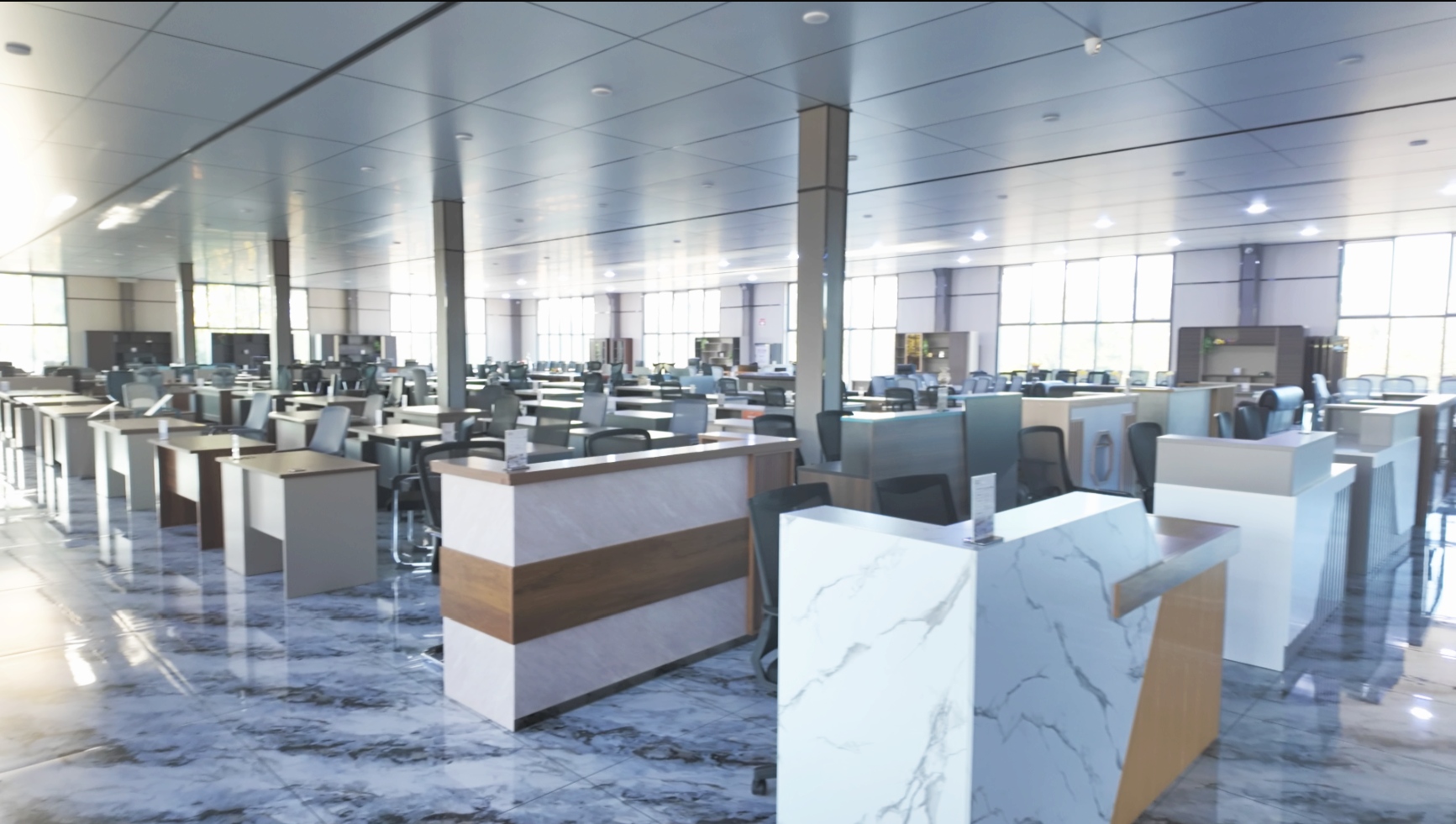
You can furnish your patio with outdoor pieces, upgrade your living space with home furniture and lighting, and set up your office——all under one roof. The showroom spans two floors, 1,800 square metres each, with 5-metre ceilings, styled showrooms, and a 4.9 Google rating.

Everyone in Zimbabwe knows the grid isn‘t reliable, but CHUCKERS runs completely off the grid.
Here’s the energy breakdown: lighting draws 10 kilowatts, the lighting display uses another 5 kilowatts. Then there‘s a borehole pump——why a borehole? Because Harare’s tap water is too hard, so the showroom uses groundwater instead. The borehole pump plus pressure booster runs at about 2.5 kilowatts. Add air conditioning, and total daily consumption comes to around 80 kilowatt-hours.
Where does that power come from?
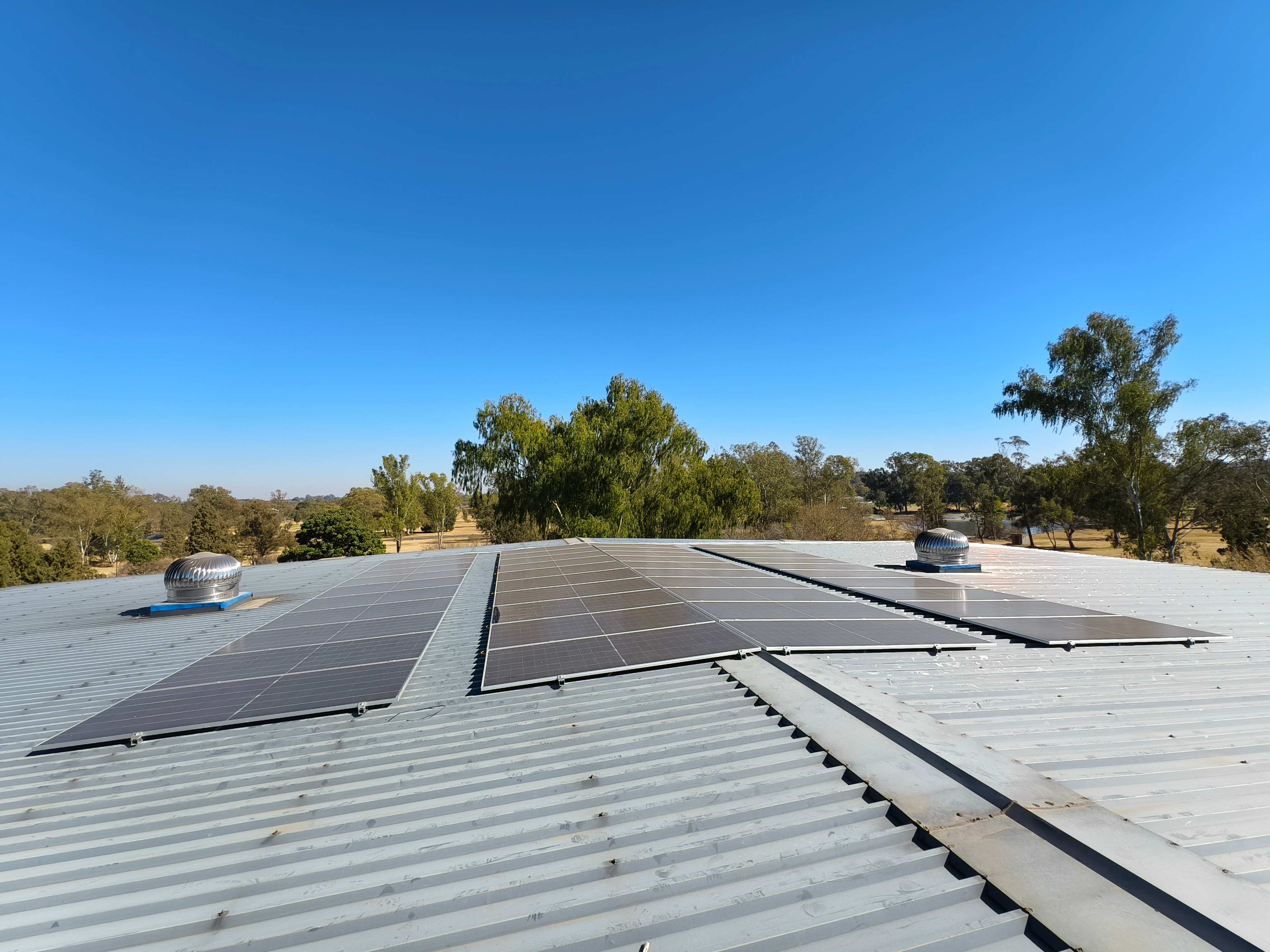
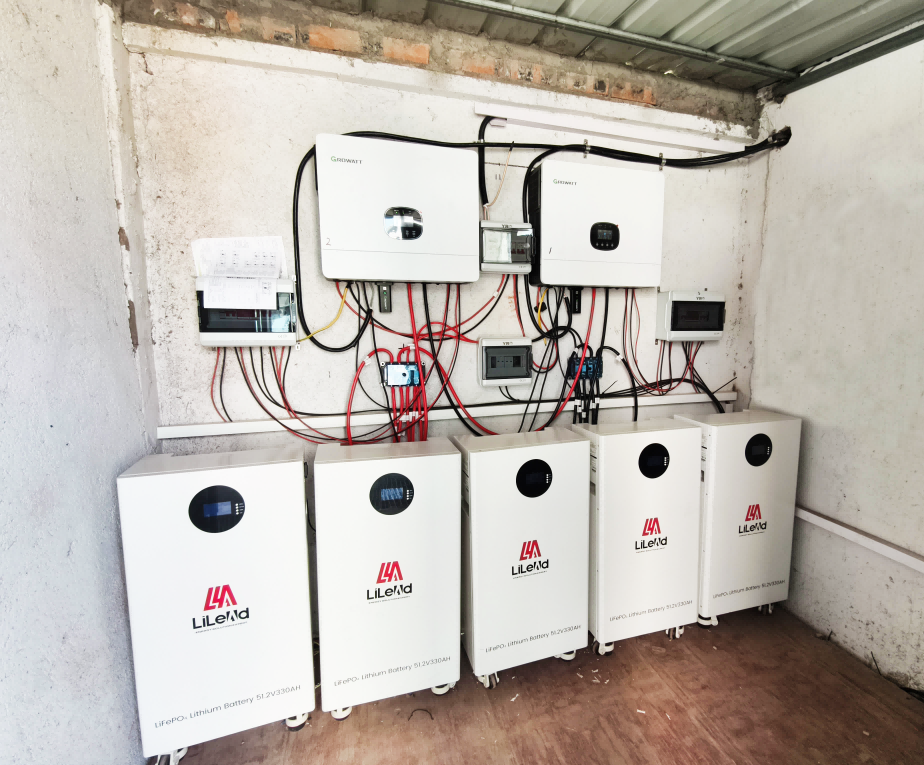
There are 40 pcs, 620 watts solar panels on the roof of CHUCKERS. With these solar panels, CHUCKERS can only use the solar power, no need electricity from the grid. The solar panels generating about 90 kilowatt-hours per day——more than they actually use. That feeds into two 12-kilowatt Growatt inverters and five LILEAD batteries, each with 17 kilowatt-hours of storage. During the day, solar power runs the showroom and charges the batteries. At night, the showroom runs purely on battery power. No grid electricity at all.
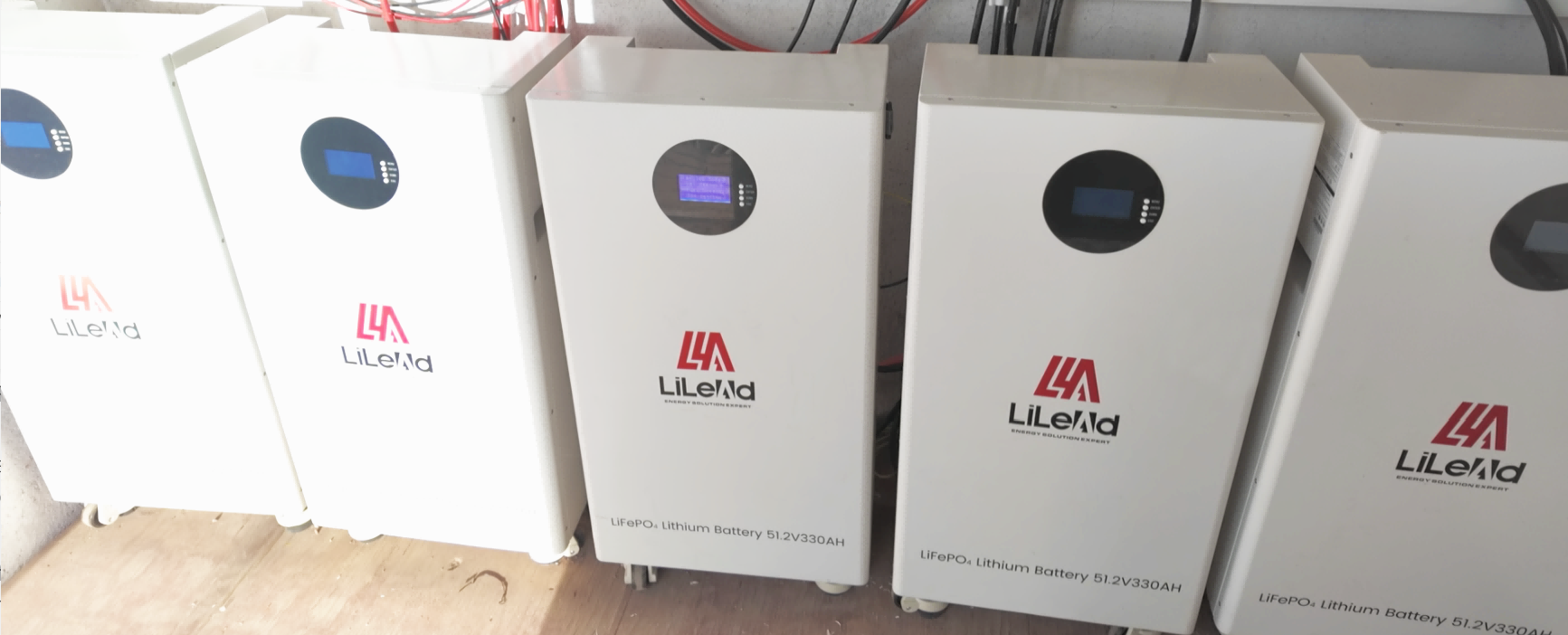
One of the biggest advantages——this system is expandable. LILEAD batteries support parallel connections, even mixing different capacities or old and new units. So if energy needs grow, you just add more batteries——no need to replace existing ones. The Growatt inverters can parallel up to nine units, so power capacity can double or triple whenever you need it.
There‘s also a live monitoring screen showing generation, consumption, and battery status in real time——everything visible at a glance.
 This system saves roughly 7,000 US dollars a year in electricity costs. The total investment in panels, inverters, and batteries pays for itself within three years. After that, it‘s basically pure savings for the next decade or more. Plus, it cuts a huge amount of carbon emissions——a real contribution to the environment.