













2026-09-23


Can marine engines actually use lithium batteries? Short answer: yes. Here are four things you absolutely need to know.
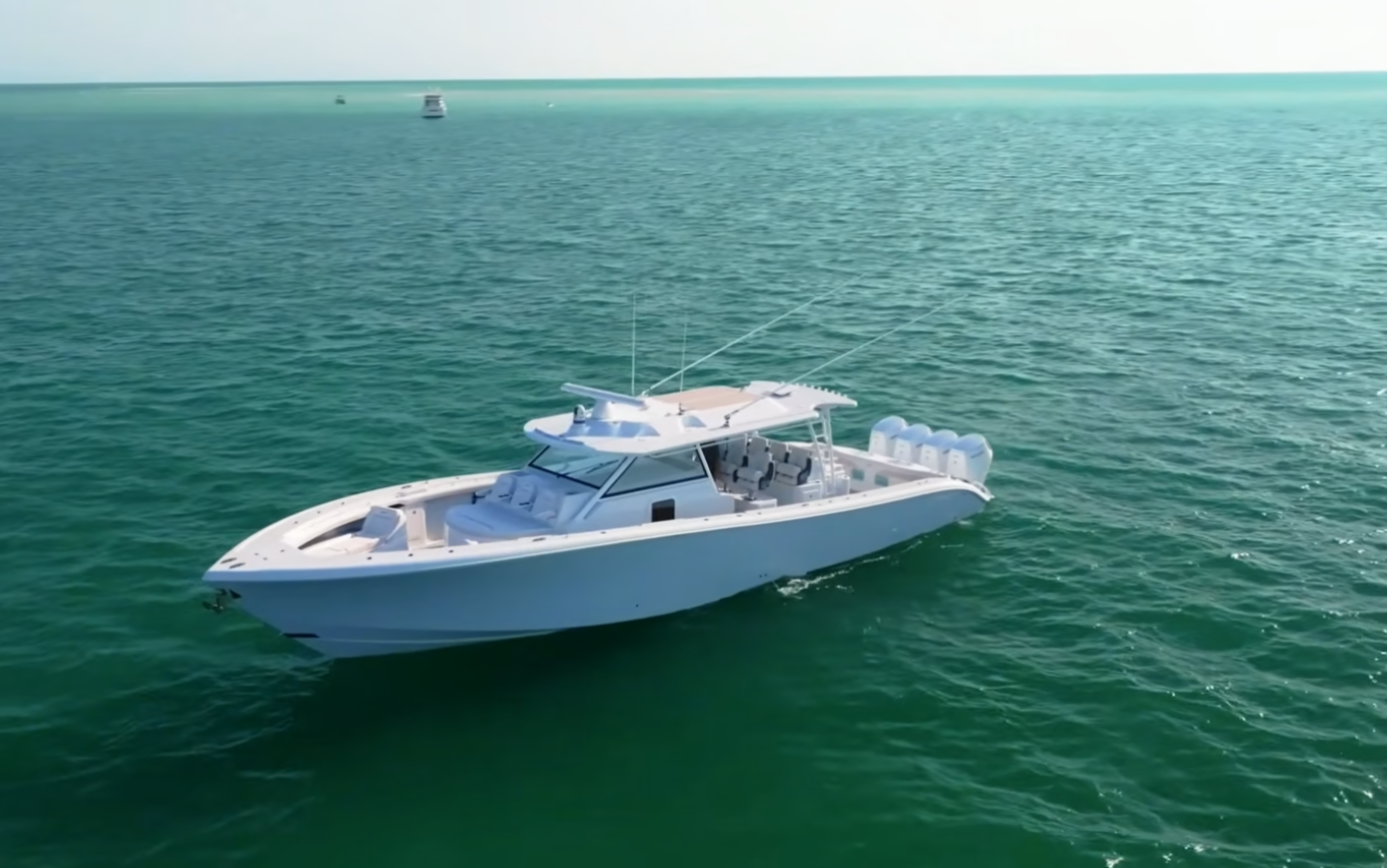
First, why switch to lithium in the first place? The biggest advantage comes down to one word: weight.
Take a 12-volt system, for example. A 100Ah lead-acid battery weighs about 20kg. A lithium battery with the same capacity weighs only 10kg. That's a 10kg,22 pounds weight savings per battery. For a 24-volt diesel engine, you typically need 2 12-volt 200Ah lead-acid batteries in series, totaling 110kg. Swap that for a single 24-volt 100 Ah lithium battery, and you're looking at only about 20kg. That’s a direct weight reduction of 90kg,nearly 200 Pounds.
What does less weight mean? Better fuel efficiency, faster acceleration, and more payload capacity. All tangible benefits.
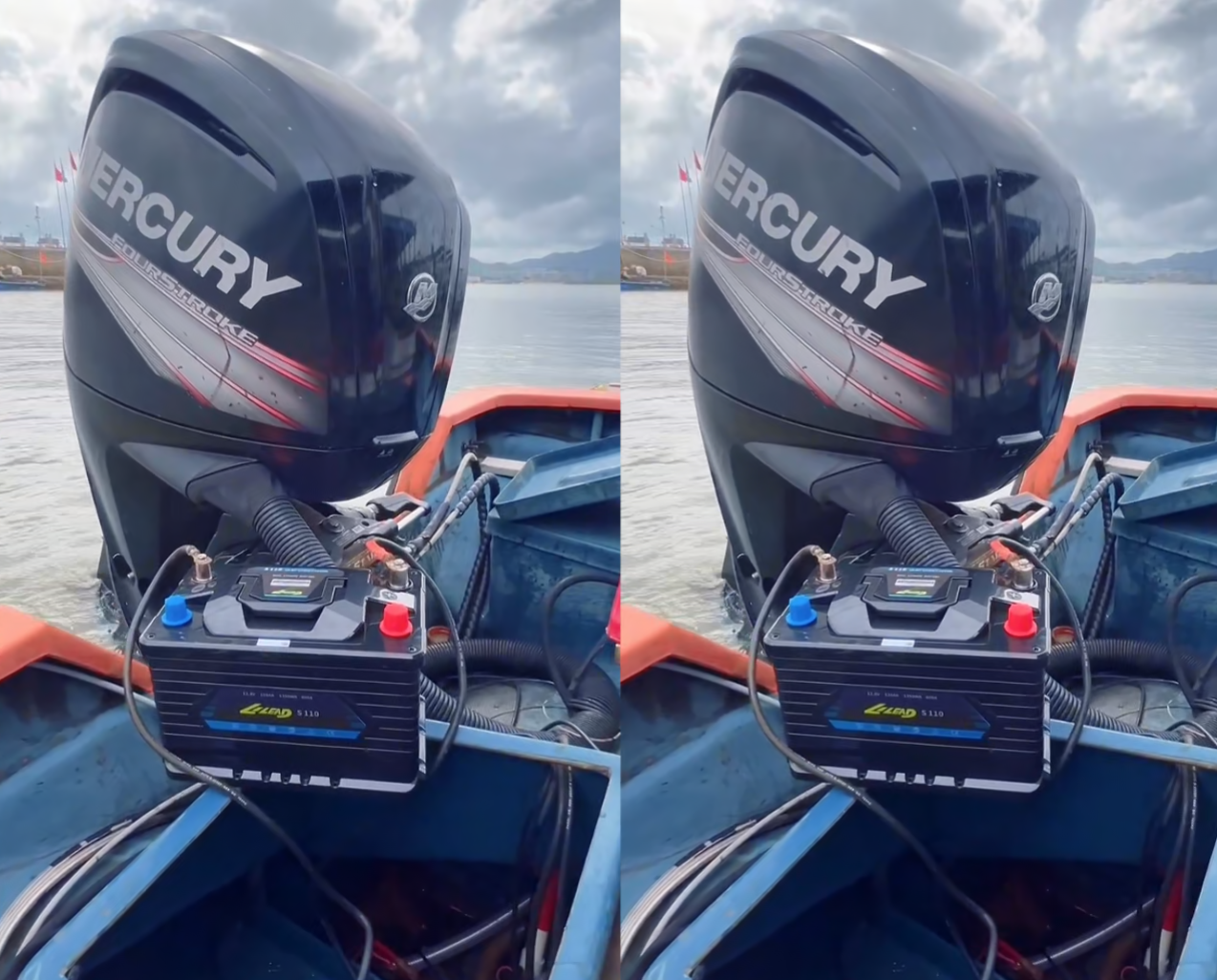
To keep you from getting stranded, here are four pitfalls to avoid.
1, use it for its intended purpose. A starting battery should handle starting only. Don't use it to run winches or high-power electronics. If it gets drained out on the water, being stranded at sea is no joke.
2, if your smaller boat absolutely needs 1 battery for multiple uses, you must choose a starting battery with a reserve start function. When the battery hits its discharge protection, this feature gives you a backup power reserve to get the engine running again.
3, always choose a high-quality battery. Cheap batteries often have poor battery management systems or inconsistent cell quality. This can easily trigger charging protection and cause a sudden power cut. Once that happens, the engine computer detects a voltage anomaly and throws a fault code. That's a headache you don't want.
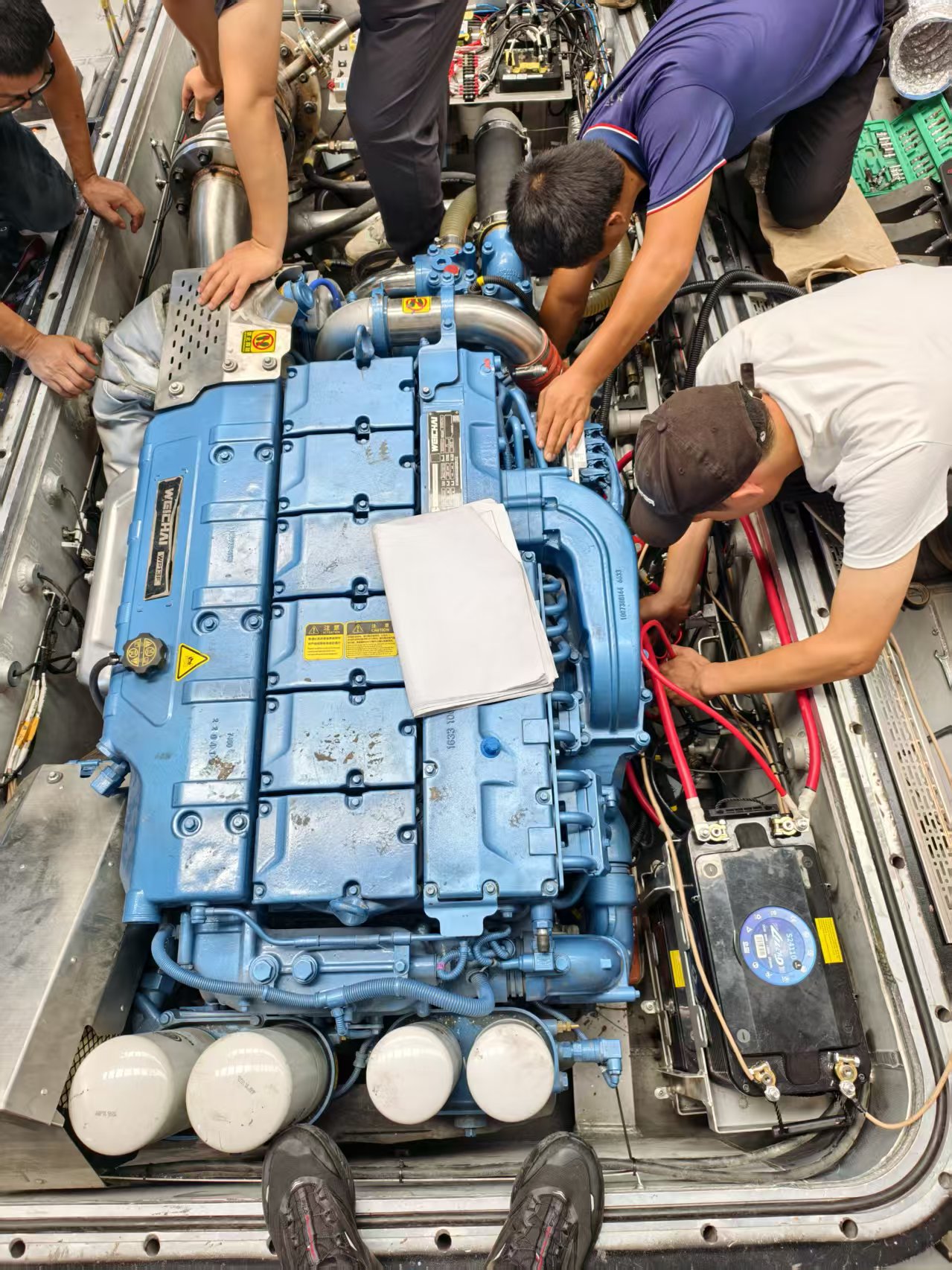
4, this one is especially for boat owners in colder northern regions. Be careful using lithium iron phosphate starting batteries below freezing. Many battery management systems come with low-temperature charge protection, meaning they simply won't charge when the battery is below 0 degrees Celsius/ 32 degrees Fahrenheit. The engine can still start, and the alternator also work normally, but if that current can't actually enter the battery, the voltage spikes instantly, and guess what? You're back to that fault code problem again.
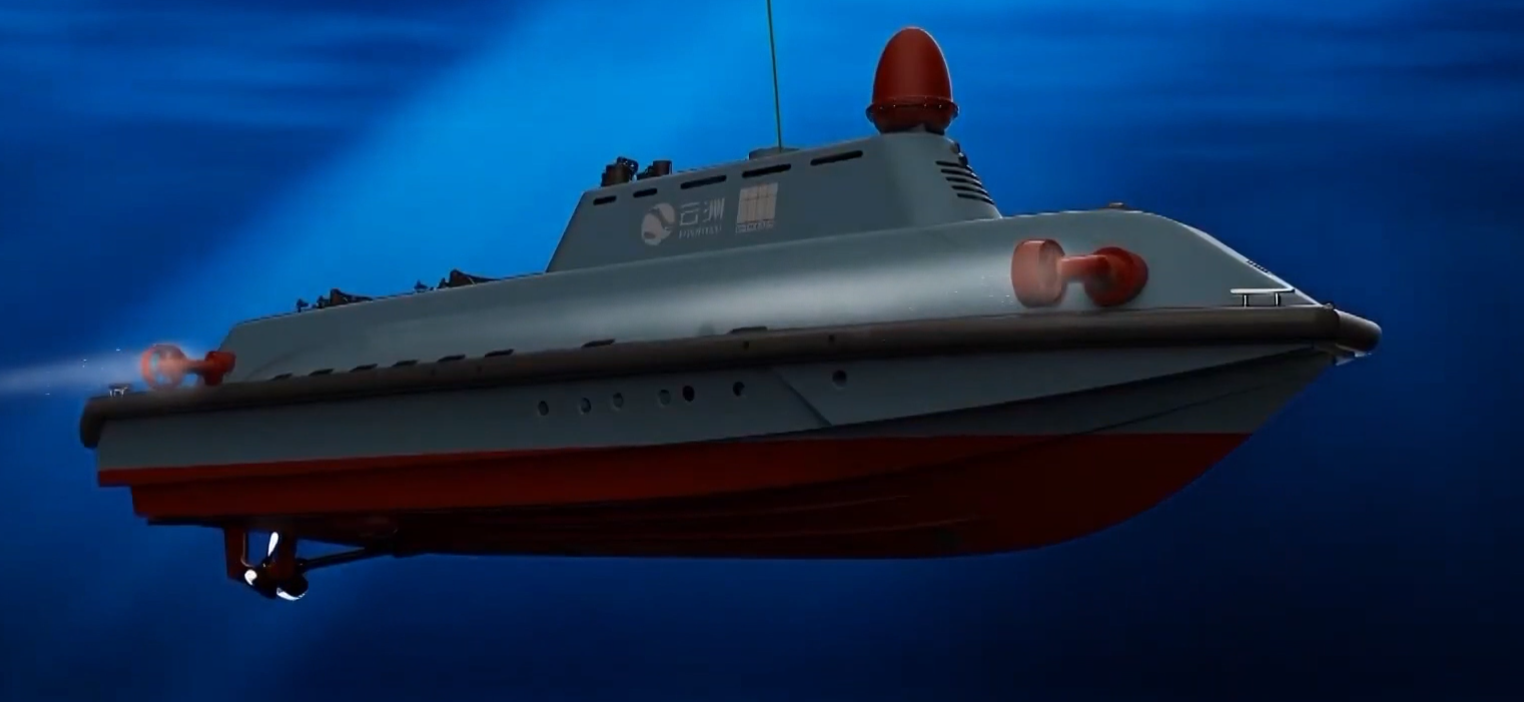
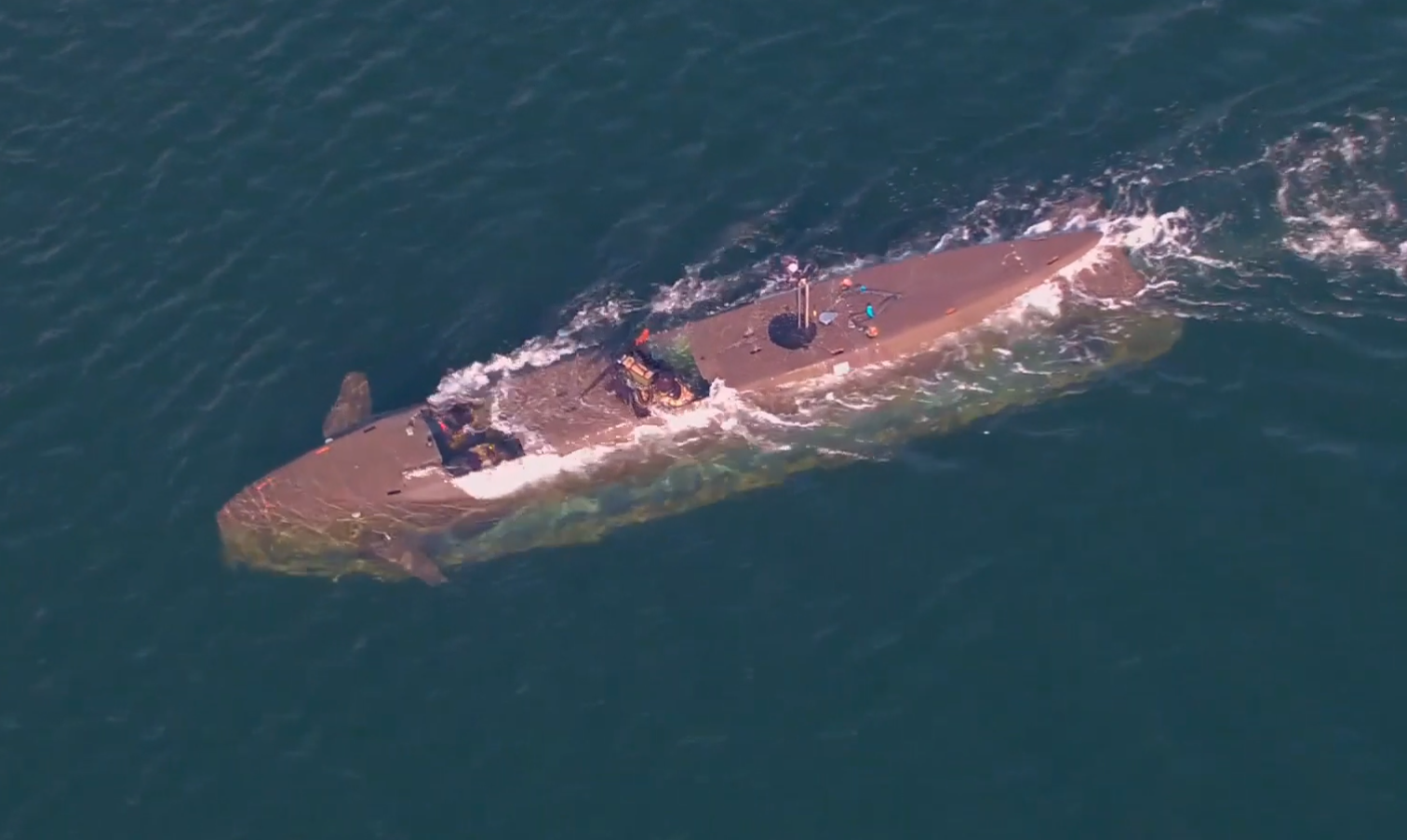
Avoid these 4 pitfalls, and a lithium battery can truly transform your boat. Research vessels like the Blue Whale, military semi-submersible ships, and luxury yachts are all using lithium battery solutions. Choose the right battery, and sail with confidence.