















2026-03-23


With the rapid development of the new energy industry, LFP batteries are deeply evolving along the technological path of "high energy density and high-rate fast charging." As a key pathway to enhance the energy density and overall performance of LFP batteries, high-compaction-density materials have become a strategic highland that the entire industry chain is racing to establish.
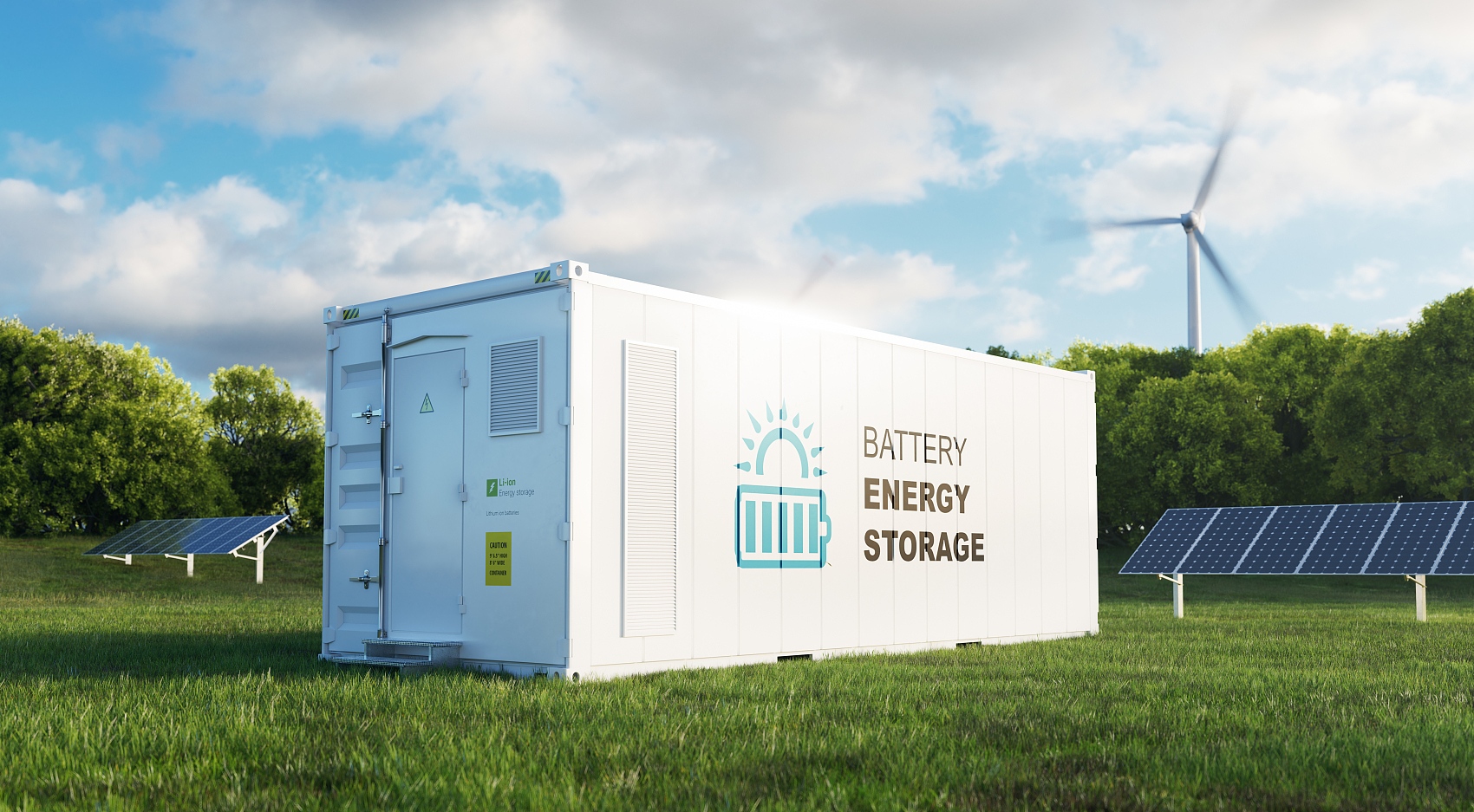
The technological upgrades by leading battery manufacturers are becoming the core engine driving the explosive growth of high-compaction-density LFP materials. According to industry estimates, CATL's production of LFP power batteries is expected to exceed 455 GWh in 2026, with the penetration rate of its Shenxing batteries rising to 75%. Its energy storage battery production is also projected to reach 300 GWh, with a high-compaction product penetration rate of approximately 25%. CATL alone is expected to demand around 1 million tons of high-compaction-density LFP in 2026.
Industry institutions also forecast that BYD's power battery production will reach 320 GWh in 2026. The penetration rate of high-compaction materials in its second-generation Blade Battery has already reached 25%. When combined with demand from its energy storage business, BYD's total annual demand for high-compaction LFP materials is estimated to be around 240,000 tons. The technological advancements of these two giants have directly fueled the demand growth in the high-end cathode material market.

As an upgraded product of traditional LFP, high-compaction-density LFP has achieved multiple breakthroughs in energy density, cycle life, and fast-charging performance through technologies like particle size distribution optimization and surface coating modification. According to industry estimates, compared to the third generation, the fourth-generation high-compaction-density LFP can increase cell energy density by 15%-20%, reaching 200-210Wh/kg, while maintaining the inherent thermal stability advantages of LFP.
With the increasing market penetration of fast-charging power batteries and large-capacity energy storage cells, future market demand for high-compaction-density LFP is expected to show a high-speed growth trend. China Securities (CSC) forecasts that by 2026, the downstream battery market's demand for high-compaction-density LFP will reach 1.69 million tons, while the industry's supply capacity will be only 1.83 million tons. The supply-demand ratio stands at just 1.08, indicating a state of tight balance.
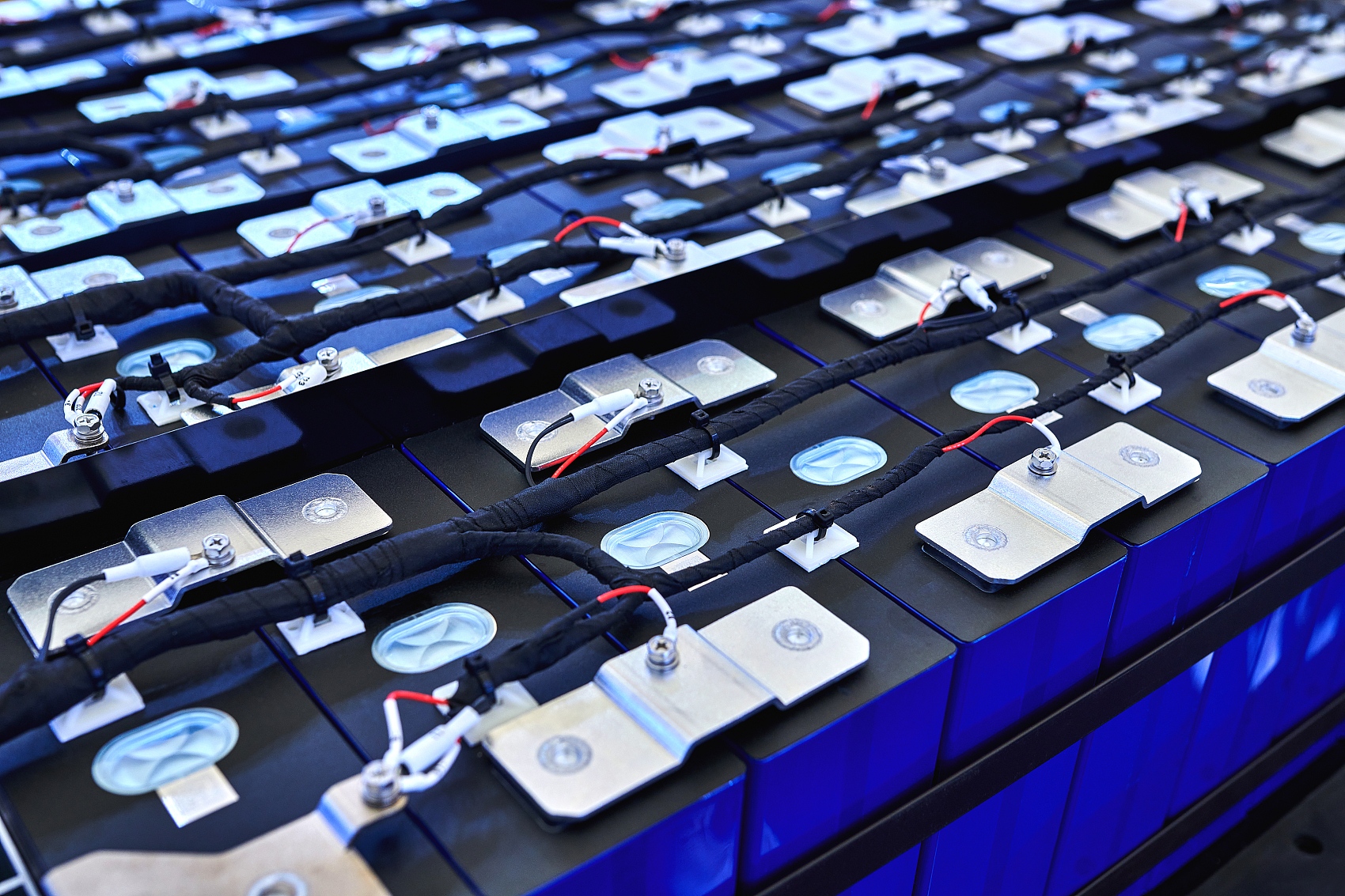
"Although the total production capacity appears ample, only a limited number of enterprises possess the capability to stably mass-produce high-compaction products. This has led to a shortage of high-quality capacity that can actually meet the demand," industry analysts pointed out. As the demand for high-end power batteries continues to expand and energy storage manufacturers iterate their own products, the market supply of high-compaction LFP is expected to remain tight.
Due to the sustained robust demand, high-compaction LFP enjoys a significant premium. According to industry statistics, its current market price is 2,000 to 3,000 RMB per ton higher than that of ordinary LFP. Recent tenders from downstream battery manufacturers show that the processing fee for high-compaction products has climbed to between 18,000 and 21,000 RMB per ton.

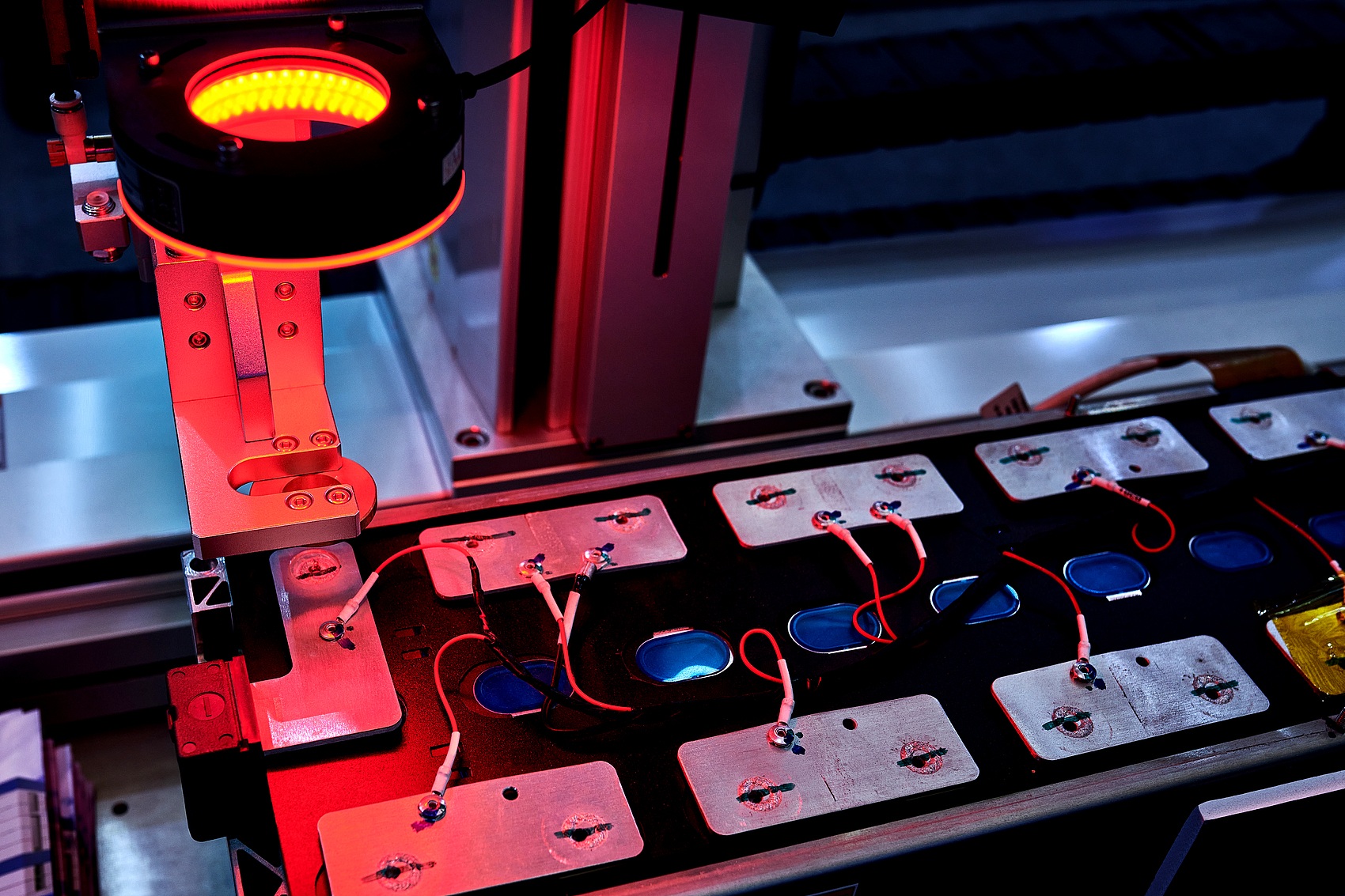 Currently, the compaction density of the industry's fourth-generation high-compaction LFP has reached 2.6 g/cm³, while the fifth-generation has surpassed 2.7 g/cm³. The industry expects the penetration rate of high-compaction LFP to rise to 50% or even higher in 2026. However, due to the high technical barriers involving complex processes such as particle grading, special sintering, and nano-coating, only a few companies are currently capable of achieving stable mass production.
(Source: China Battery Net)